Mercer County Dog Registration Information
Service Dogs and Emotional Support Animals in Mercer, West Virginia
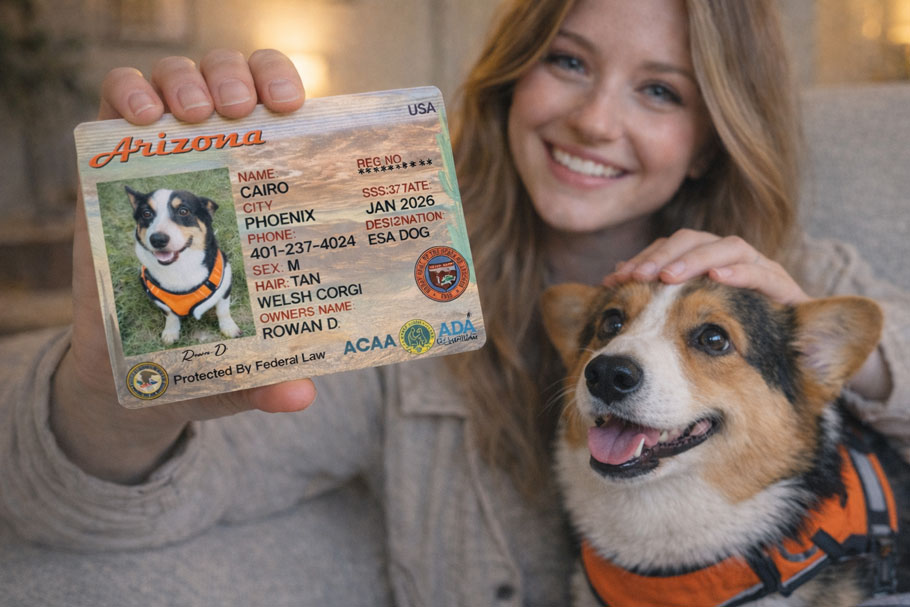
If you’re searching for where to register a dog in Mercer County, West Virginia—especially for a service dog or emotional support dog (ESA)—the key thing to know is that “registration” can mean different things. In Mercer County, the most common official step is getting a dog license (dog tax tag) through the appropriate local government office. Separately, service dogs and ESAs have legal definitions and documentation needs, but they are not registered through one universal federal government registry.
Where to Register or License Your Dog in Mercer County, West Virginia
The offices below are the most relevant official contacts for animal control dog license Mercer County, West Virginia questions, dog licensing/tags, and local animal services. If you live inside an incorporated city, you may need both a county dog tag and a city dog tag/permit depending on the city’s rules.
Mercer County Assessor’s Office (Mercer County Courthouse)
Mercer County Sheriff’s Tax Office (Courthouse)
Mercer County Animal Shelter / Mercer County Animal Control (Service & Enforcement)
City of Bluefield — Treasury Department (City Dog Tag/Permit for Bluefield Residents)
Overview of Dog Licensing in Mercer County, West Virginia
What “dog registration” usually means locally
When people ask “where do I register my dog in Mercer County, West Virginia,” they usually mean one (or more) of the following:
- Obtaining a county dog license/dog tax tag through the courthouse (typically coordinated through county offices such as the Assessor and/or Sheriff’s Tax Office).
- Obtaining a city dog tag/permit if you live inside certain municipalities (for example, the City of Bluefield indicates both county and city dog licensing are required for residents).
- Rabies vaccination compliance (your veterinarian issues a rabies tag; local agencies may require proof of vaccination).
Service dogs and ESAs still may need local licensing
Having a service dog or emotional support dog does not automatically replace local dog licensing. Many local jurisdictions treat service dogs like any other dog for licensing and vaccination purposes (while still recognizing access rights for service dogs under federal law). If you are trying to license a dog in Mercer County, WV and you are unsure whether any fee exemptions apply, ask the licensing office directly before you pay.
What You Need Before Registering a Dog
Common requirements (county/city licensing)
While exact requirements can vary by municipality and can change over time, dog licensing requirements in Mercer County, West Virginia commonly involve:
- Proof of current rabies vaccination (often a rabies certificate and/or rabies tag number)
- Owner identification (such as a driver’s license or other ID)
- Proof of residency (especially if applying for a local resident rate or confirming jurisdiction)
- Dog details (name, age, breed/color/markings; sometimes microchip number if applicable)
- Spay/neuter documentation (if your jurisdiction has different fee categories)
- Payment method for the licensing fee/tax (ask the office what they accept)
Rabies vaccination matters for licensing and public health
Many local licensing systems are built around demonstrating rabies compliance. Even when a dog is a working service animal, rabies vaccination is still an important health and safety requirement, and local agencies may request proof before issuing a license/tag.
Steps to Register or License a Dog in Mercer County, West Virginia
Step 1: Confirm whether you live in a city or unincorporated Mercer County
Start by confirming whether your address is within a municipality (like Bluefield or Princeton) or in an unincorporated area. This matters because some cities require a separate city tag/permit in addition to the county dog tag.
Step 2: Gather your rabies documentation
Bring a rabies certificate from your veterinarian (or the information on it). If you are missing records, contact your veterinarian’s office to request a replacement record before you go to the courthouse or city office.
Step 3: Contact the correct office before you go
Because local processes can vary (including which courthouse counter issues tags vs. collects payments), it can save time to call first and ask:
- Which office issues the dog license/tag for your address
- What documents they require (rabies proof, ID, residency, spay/neuter proof)
- What payment types are accepted
- Whether you must license annually and when renewals are due
Step 4: Apply and obtain your dog tag (and keep records)
After the license is issued, keep your receipt and any certificate in a safe place. Many areas also require the tag to be attached to the dog’s collar. If your dog loses the tag, ask the licensing office about replacement procedures.
Service Dog Laws in Mercer County, West Virginia
No universal federal “service dog registry”
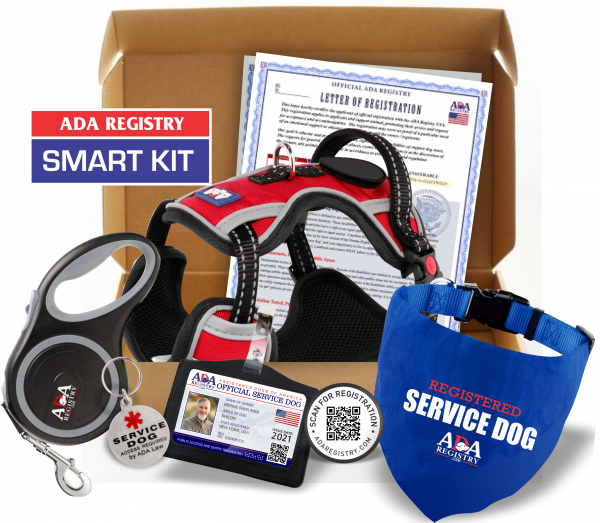
Service dogs are generally recognized based on what they are trained to do for a person with a disability—not based on inclusion in a registry. In practical terms, you typically do not “register” a service dog with a federal database to make it legitimate.
Service dog status vs. county licensing
A service dog can still be subject to local rules that apply to dogs generally, such as:
- Dog license requirements (county and, if applicable, city)
- Rabies vaccination requirements
- Leash/at-large ordinances and general public safety rules
If you need to know whether a fee is waived for a service dog in your jurisdiction, ask the local licensing office directly; policies can differ and can change.
Public access basics (high level)
Service dogs are generally allowed to accompany their handler in public places where pets are not allowed, as long as the dog is under control and housebroken. This is separate from licensing, and it does not require a county “service dog registration” label to be valid.
Emotional Support Animal Rules in Mercer County, West Virginia
No universal ESA “registration” that grants public access
Emotional support animals (ESAs) are not the same as service dogs. ESAs generally do not have the same public access rights as service dogs. If you see the term “ESA registration,” it often refers to non-governmental paperwork that does not replace local licensing or create new legal access rights by itself.
Where ESAs matter most: housing documentation
ESAs are most commonly relevant in housing situations where a tenant requests a reasonable accommodation. While requirements depend on the specific housing context and applicable law, an ESA typically involves documentation from a qualified healthcare professional. That housing documentation is separate from county dog licensing.
ESAs and dog licensing requirements in Mercer County, WV
Even if your dog is an ESA, you may still need a standard dog license in Mercer County, West Virginia and may need to show proof of rabies vaccination. For the most accurate answer for your address, confirm with the county courthouse office that issues dog tags (and, if you live in city limits, your city office as well).
Dog License vs. Service Dog vs. Emotional Support Animal (Comparison)
| Category | What it is | Where it’s handled | Common documentation | Main purpose |
|---|---|---|---|---|
| Dog License (County/City Tag) | A local government license or tax tag for dog ownership (often annual), sometimes required by county and/or city ordinance. | Mercer County courthouse offices (commonly Assessor and/or Sheriff’s Tax Office) and possibly your city office if you live within a municipality. | Rabies vaccination proof, owner ID, residency proof (sometimes), and payment. | Local compliance, animal control administration, and public health/safety tracking. |
| Service Dog | A dog individually trained to do work or perform tasks for a person with a disability. | Not issued by a single universal federal registry; status is based on training and function. Local licensing may still apply for the dog as an animal resident in the county/city. | Generally no government “service dog registration” required; may still need rabies vaccination proof and dog license for local rules. | Disability-related assistance and public access rights (separate from local licensing). |
| Emotional Support Animal (ESA) | An animal that provides comfort or emotional support; not required to be task-trained like a service dog. | Typically relevant in housing contexts through accommodation processes; local dog licensing is handled through county/city offices like any other dog. | Often a letter/documentation from a qualified healthcare professional for housing; rabies vaccination proof and licensing documents for local compliance. | Emotional support (often tied to housing accommodations), not general public access. |
Frequently Asked Questions
Do I need to “register” my service dog in Mercer County, WV?
There isn’t one universal federal government registry where service dogs must be registered. In Mercer County, the practical local requirement is usually the same as any dog: follow local rules for rabies vaccination and any required county/city dog license. If you need to know which fees apply, contact the licensing office listed above.
Where do I get a county dog tag in Mercer County, West Virginia?
The City of Bluefield states that the county dog tag can be obtained at the Mercer County Courthouse. For county-level licensing questions, start with the Mercer County Assessor’s Office at the courthouse (and/or the Sheriff’s Tax Office) and ask which counter issues the tag for your address and what documentation is required.
If I live in Bluefield, do I need a city dog tag too?
The City of Bluefield indicates that a county and city dog license is required in Mercer County for Bluefield residents, with the city dog tag obtained through the City Hall Treasury Department. Call the Treasury Department to confirm current requirements, fees, and renewal timing.
What if I live in Princeton or another municipality in Mercer County?
Some municipalities may have additional local rules beyond county requirements. If you live inside city limits, ask your city office whether a separate city tag/permit is required, and still confirm the county dog licensing requirements through the Mercer County courthouse office listed above.
Does my dog need a rabies shot before I can license them?
Many local dog licensing systems require proof of rabies vaccination. Bring your rabies certificate (or request it from your veterinarian) when you contact the licensing office to confirm exactly what they require.
Who do I call about stray dogs or animal control issues in Mercer County?
For enforcement issues, stray animals, or safety concerns, contact Mercer County Animal Control. For shelter intake, reunification, and general guidance, contact the Mercer County Animal Shelter during their posted open hours.
What You May Need
-
Proof of rabies vaccination (certificate and/or tag info)
-
Proof of residency (if required for your jurisdiction)
-
Identification (driver’s license or other ID)
-
Spay/neuter documentation (if applicable)
-
Payment for licensing fee/tax (confirm accepted methods)
Disclaimer
Local laws, fees, office locations, and contact details can change. Residents should verify the most current information with their local animal services or licensing office in Mercer County, West Virginia.
Quick local keywords
This page is focused on helping residents looking for:
- where do i register my dog in Mercer County, West Virginia for my service dog or emotional support dog
- dog license in Mercer County, West Virginia
- animal control dog license Mercer County, West Virginia
- where to register a dog in Mercer County, West Virginia
- dog licensing requirements Mercer County, West Virginia
Register A Dog In Other West Virginia Counties
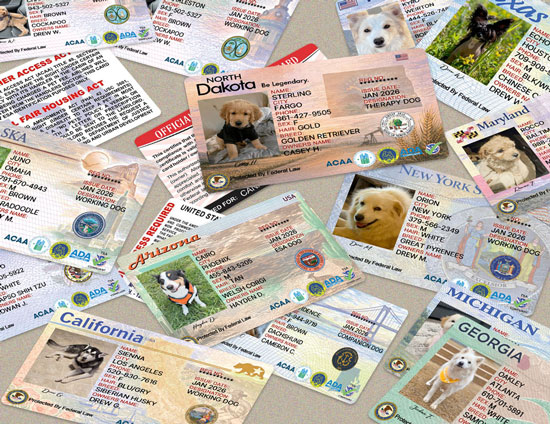
Select your county below to get started with your dog’s ID card. Requirements and license designs may vary by county, so choose your location to see the correct options and complete your pup’s registration.
- Barbour County Dog Registration
- Berkeley County Dog Registration
- Boone County Dog Registration
- Braxton County Dog Registration
- Brooke County Dog Registration
- Cabell County Dog Registration
- Calhoun County Dog Registration
- Clay County Dog Registration
- Doddridge County Dog Registration
- Fayette County Dog Registration
- Gilmer County Dog Registration
- Grant County Dog Registration
- Greenbrier County Dog Registration
- Hampshire County Dog Registration
- Hancock County Dog Registration
- Hardy County Dog Registration
- Harrison County Dog Registration
- Jackson County Dog Registration
- Jefferson County Dog Registration
- Kanawha County Dog Registration
- Lewis County Dog Registration
- Lincoln County Dog Registration
- Logan County Dog Registration
- Marion County Dog Registration
- Marshall County Dog Registration
- Mason County Dog Registration
- McDowell County Dog Registration
- Mineral County Dog Registration
- Mingo County Dog Registration
- Monongalia County Dog Registration
- Monroe County Dog Registration
- Morgan County Dog Registration
- Nicholas County Dog Registration
- Ohio County Dog Registration
- Pendleton County Dog Registration
- Pleasants County Dog Registration
- Pocahontas County Dog Registration
- Preston County Dog Registration
- Putnam County Dog Registration
- Raleigh County Dog Registration
- Randolph County Dog Registration
- Ritchie County Dog Registration
- Roane County Dog Registration
- Summers County Dog Registration
- Taylor County Dog Registration
- Tucker County Dog Registration
- Tyler County Dog Registration
- Upshur County Dog Registration
- Wayne County Dog Registration
- Webster County Dog Registration
- Wetzel County Dog Registration
- Wirt County Dog Registration
- Wood County Dog Registration
- Wyoming County Dog Registration